Instruments / Portsea
St. Mary, Portsea
J.W. Walker & Sons, 1889/1892 · Portsea, Portsmouth, England
About
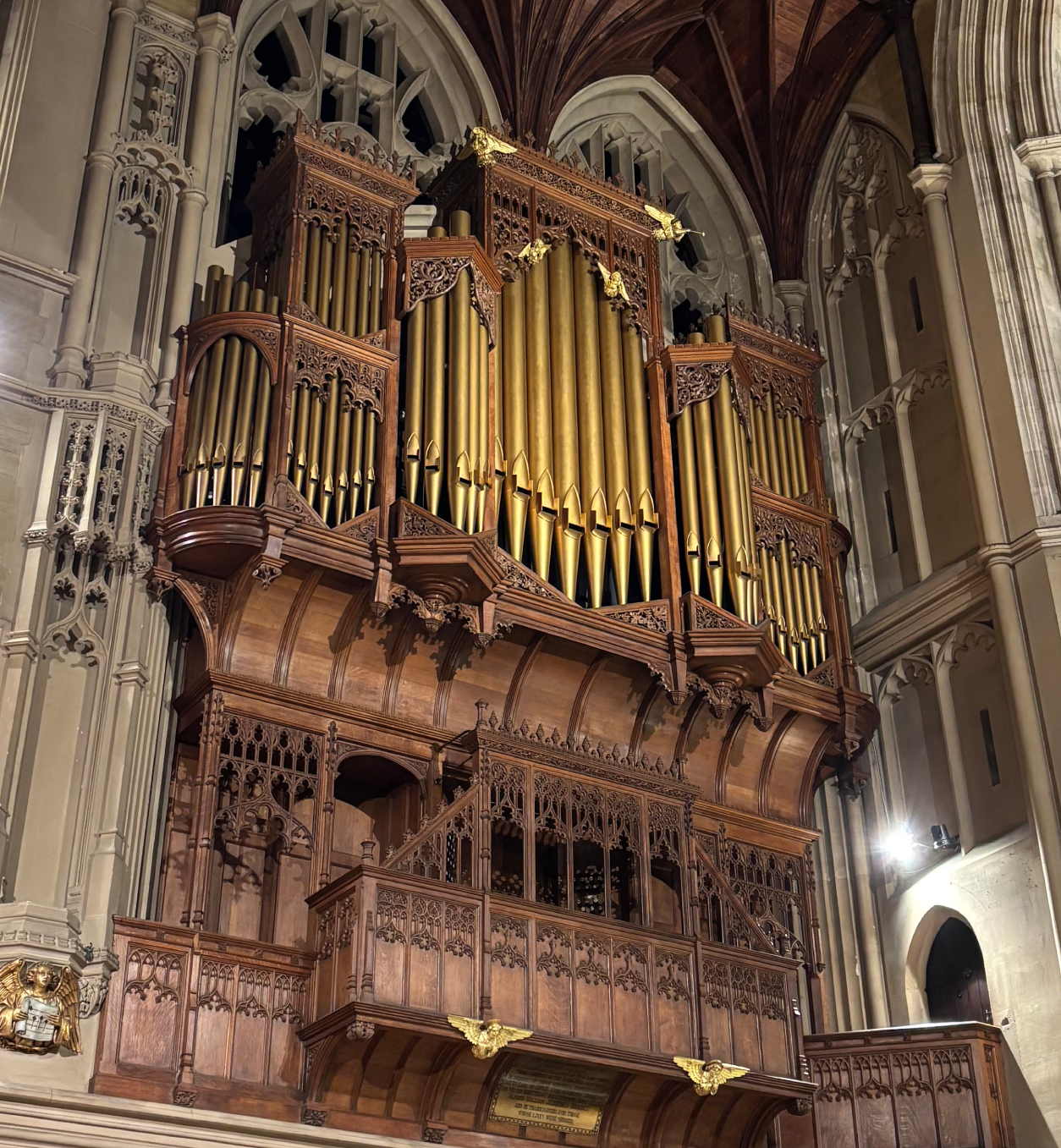
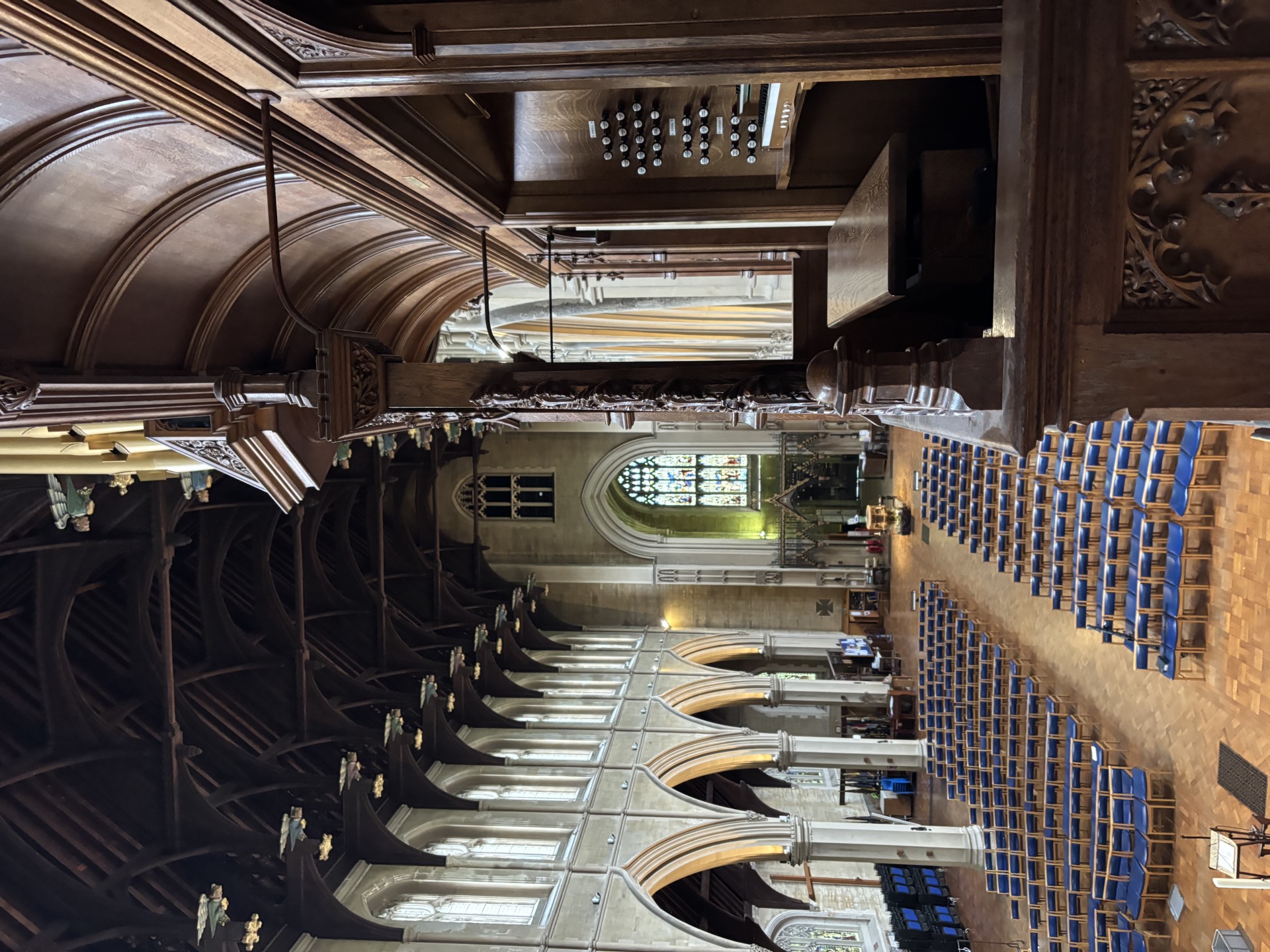
St Mary's stands on the oldest church site on Portsea Island, where a church is recorded as early as 1164. The present building — the third on the site — is one of the largest Anglican parish churches in England. Designed by Sir Arthur Blomfield and built between 1887 and 1889, its foundation stone was laid by Victoria, Princess Royal. Much of the cost was met by William Henry Smith, better known today for the family firm that became the retailer WHSmith. The church is a Grade II* listed building and has been described as the finest Victorian building in Hampshire.
The organ at St. Mary's was built by J.W. Walker & Sons and installed in two stages, in 1889 and 1892. It had undergone several modifications over the years, but has been restored largely to its 1889/1892 state by Nicholson & Co. which was completed in 2022. Cecil Clutton, an organ consultant, writing in 'The Organ' in 1965, described the organ as being "…tonally…the final achievement of 19th century British organ building…with only thirty-eight speaking stops (the organ) achieves as much as almost any cathedral organ and more than most…The classical approach to organ building survived in England for longer than it did under Cavaillé Coll's influence in France, and the Portsea organ represents its final fusion on equal terms with the romantic school, before the latter took charge and decadence set it. There are, indeed, all the seeds of decadence at Portsea, but the short period preceding decadence is usually a very exciting one…and this organ at Portsea is without question exciting."
Technical Information
- Sample and bit rate: 48kHz, 24 Bit
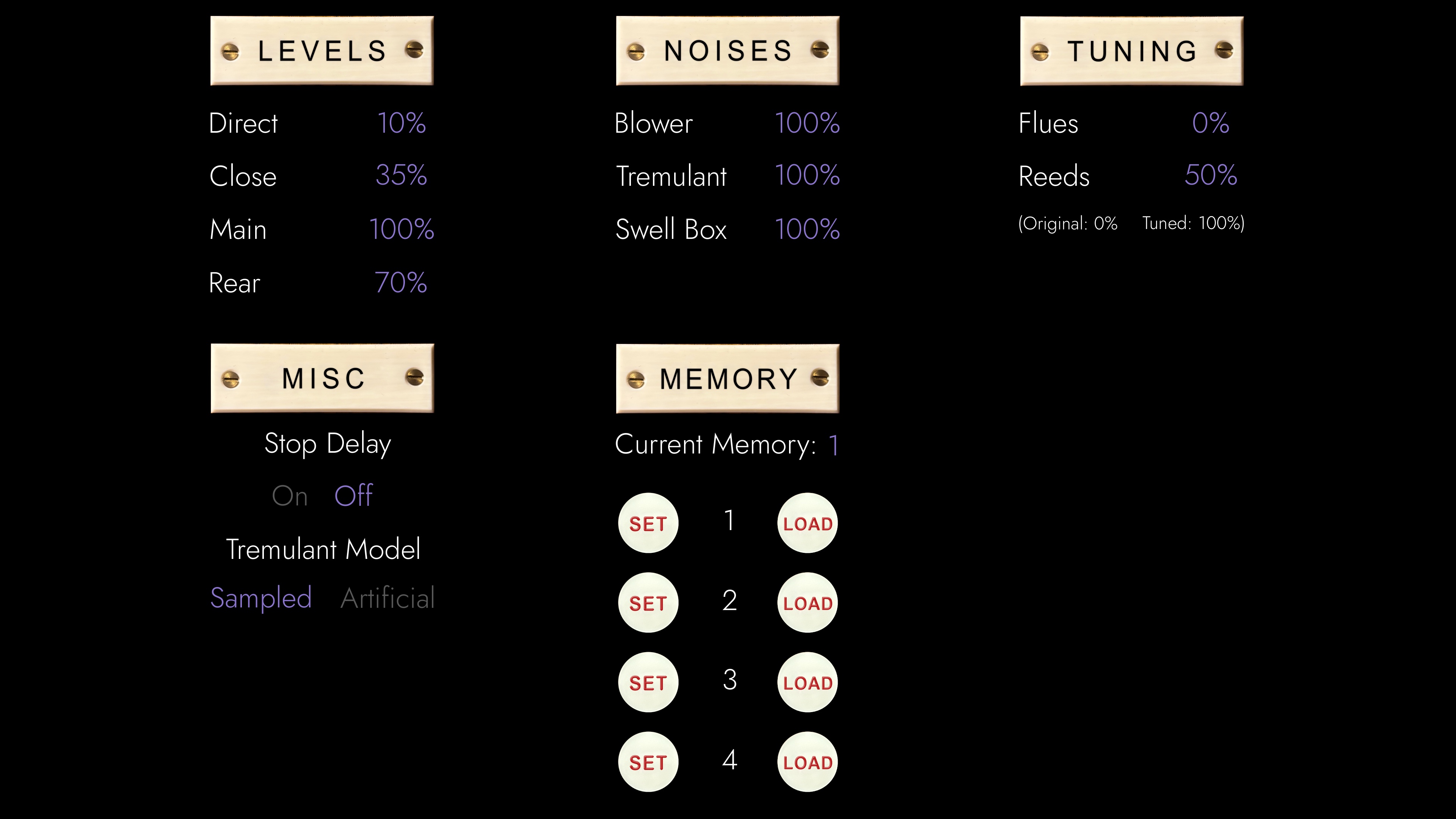
- 7 Channels (1× Mono Perspective — Direct. 3× Stereo Perspectives — Close, Main, Rear)
- All Tremulant samples recorded
- Software required: Hauptwerk v4.2+
- Manual Compass C–a³
- Pedal Compass C–f¹
Memory Requirements (Lossless)
- All four perspectives at 24-bit: approximately 39.2 GB RAM
- All four perspectives at 16-bit: approximately 21.1 GB RAM
- Single (Main) perspective at 24-bit: approximately 13.6 GB RAM
- Single (Main) perspective at 16-bit: approximately 7.8 GB RAM
Allow approximately 5 GB on top of these figures for minimum computer RAM requirements.
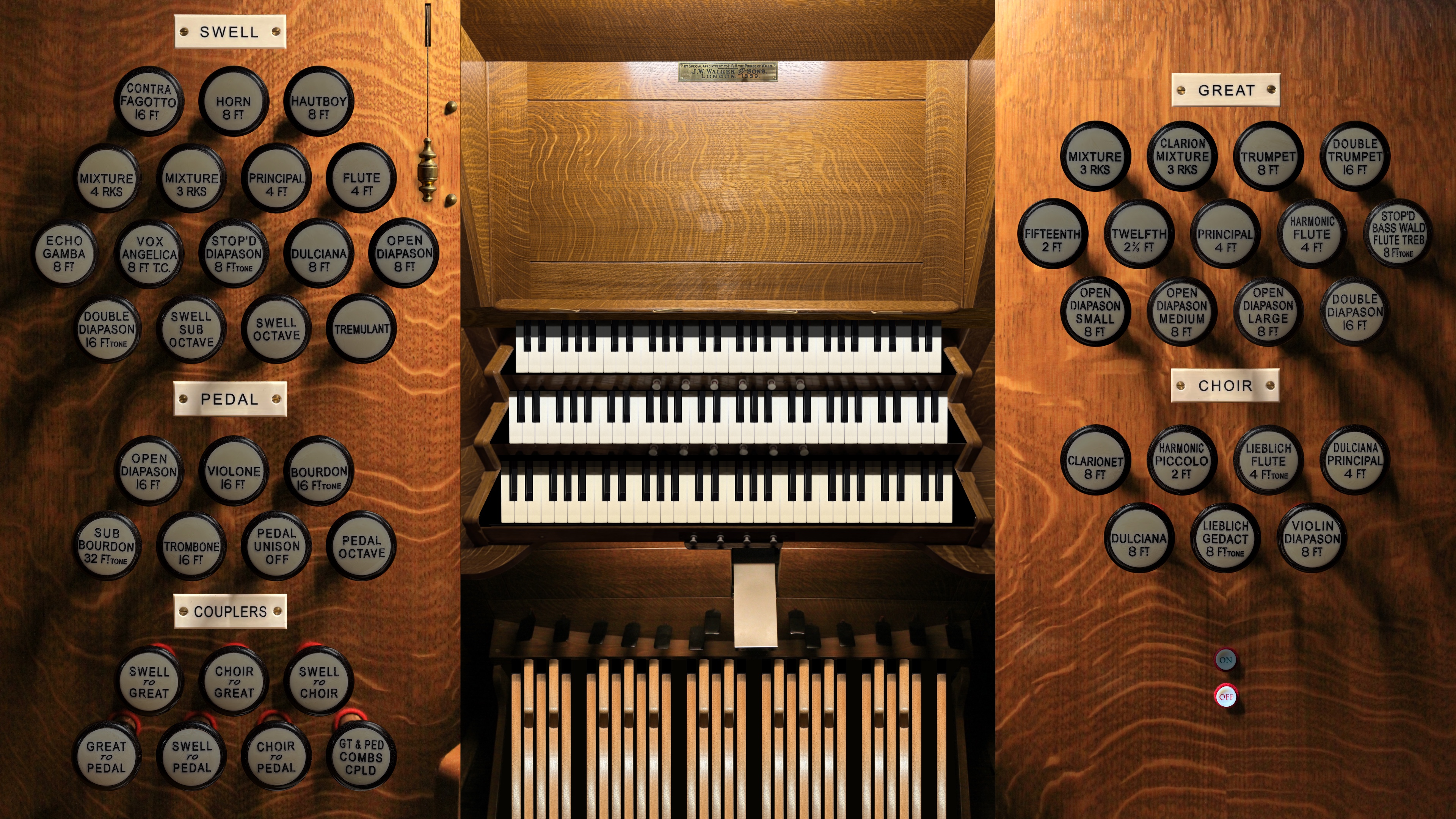
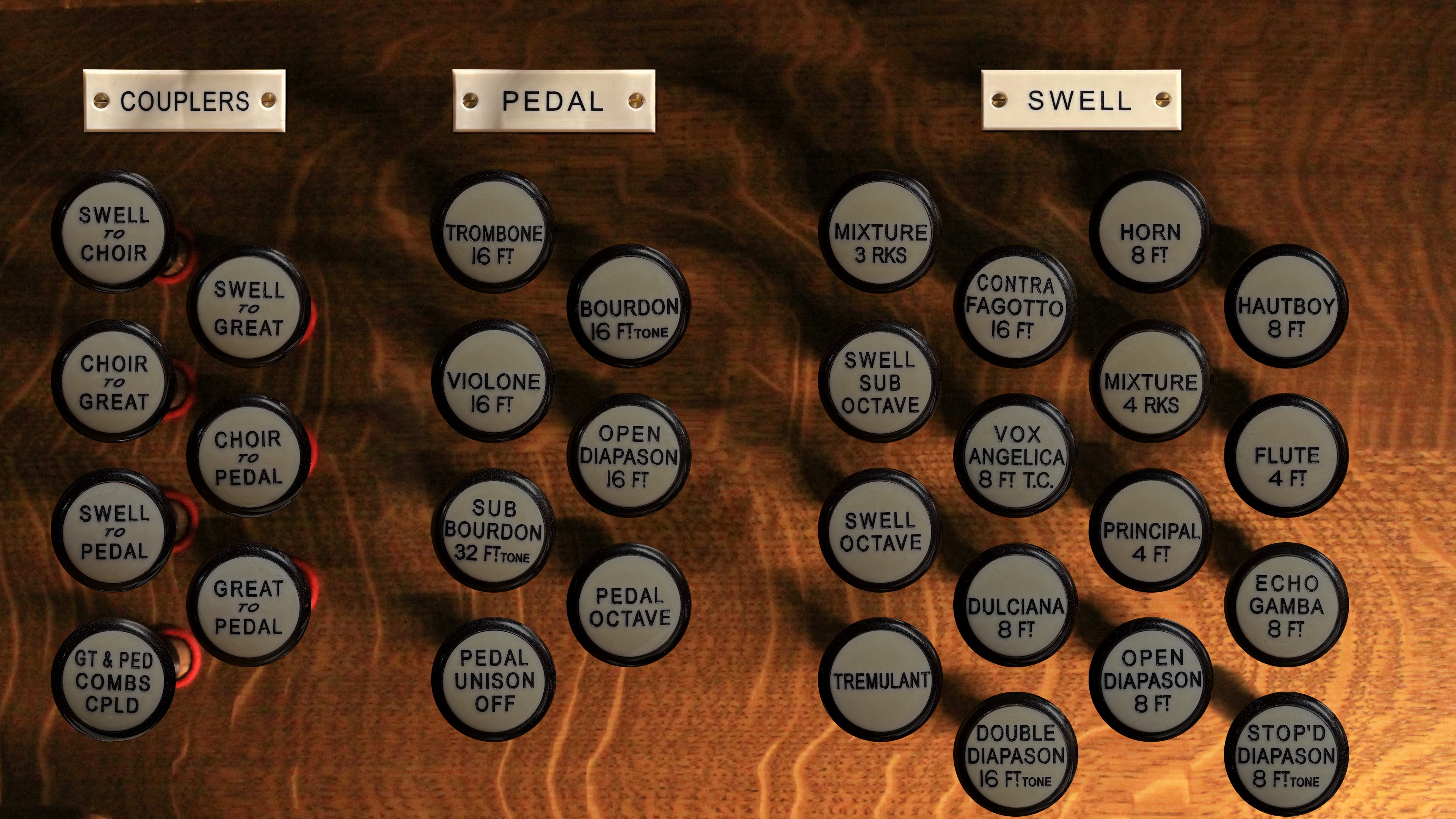
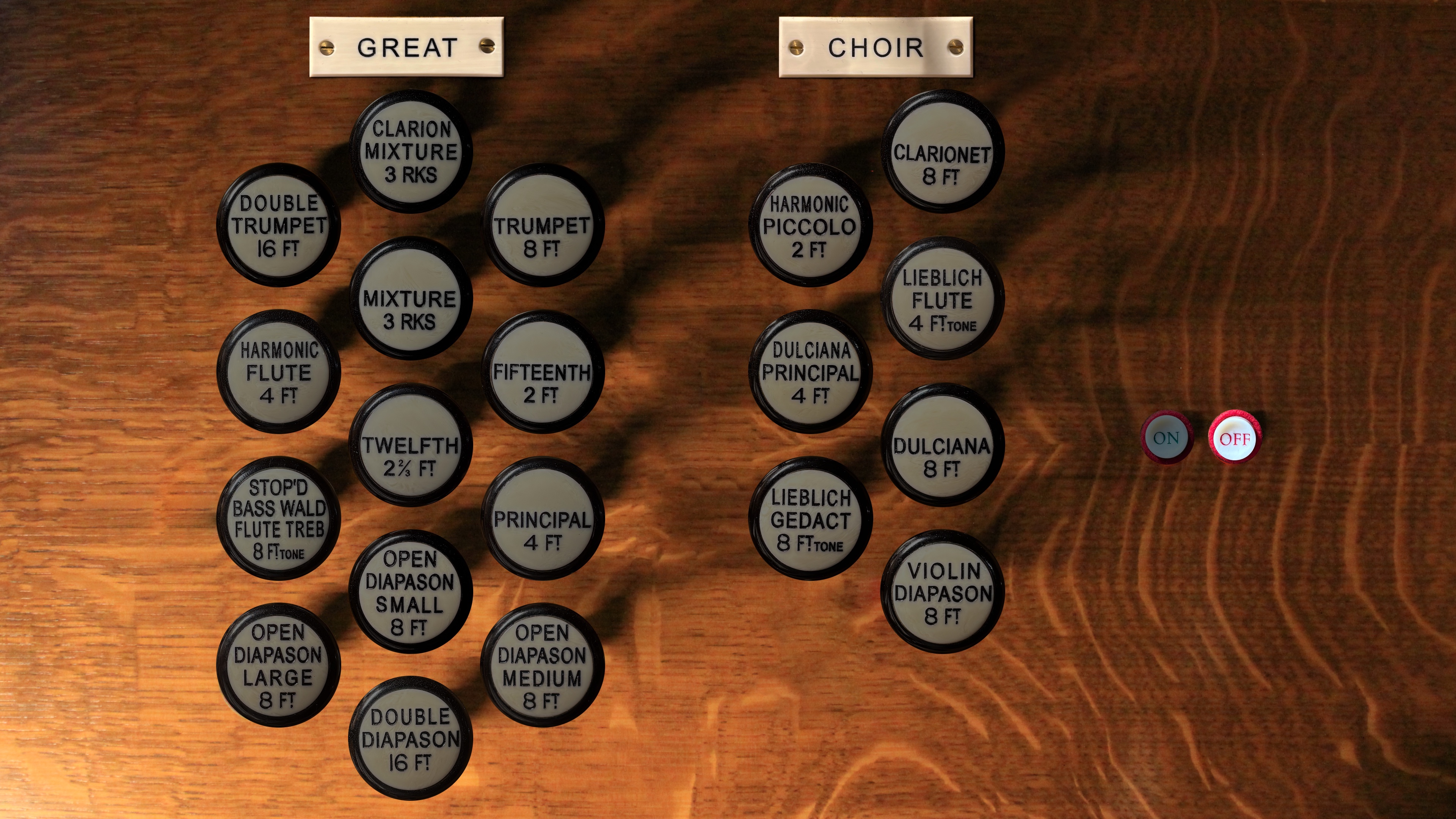
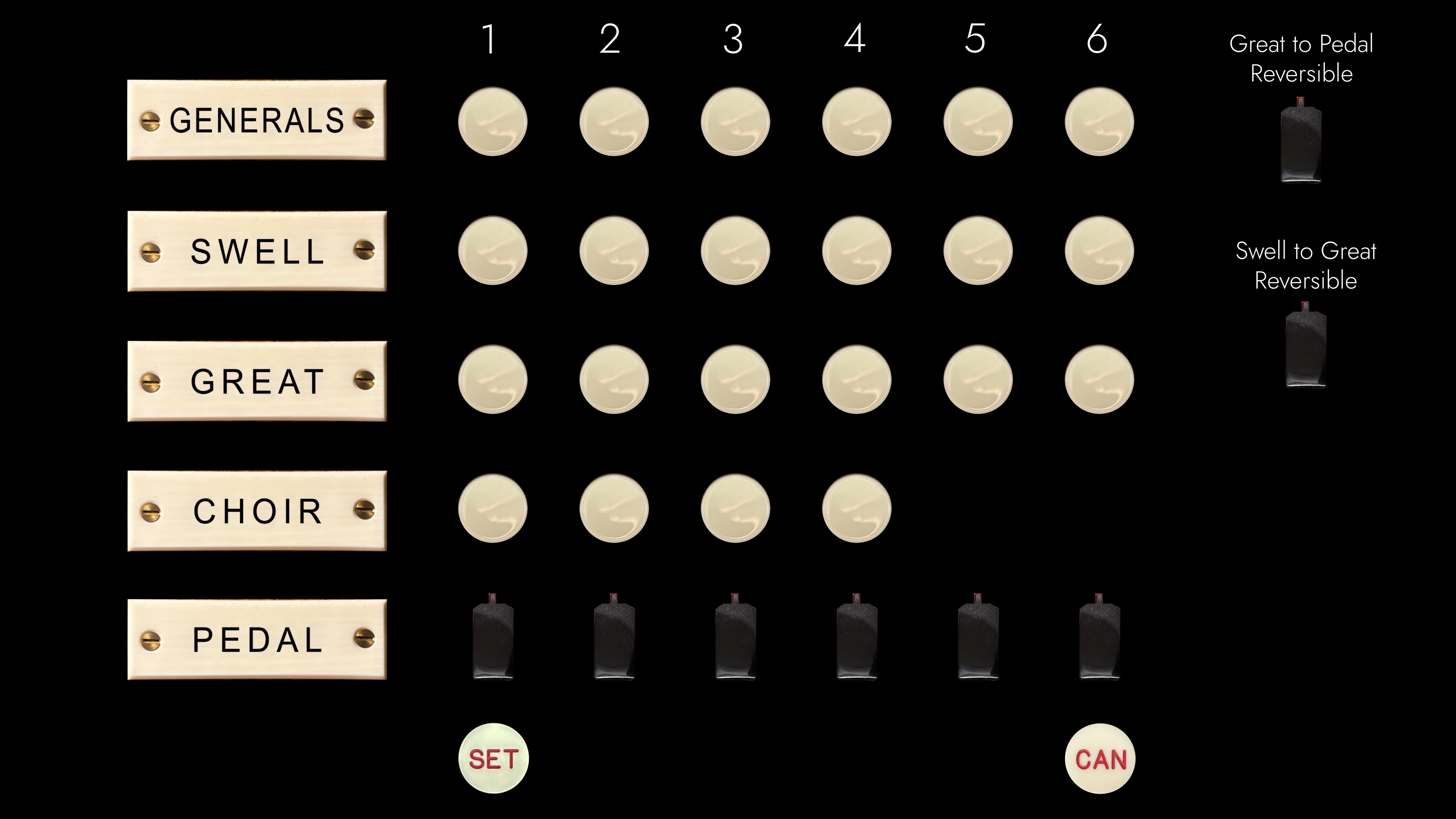
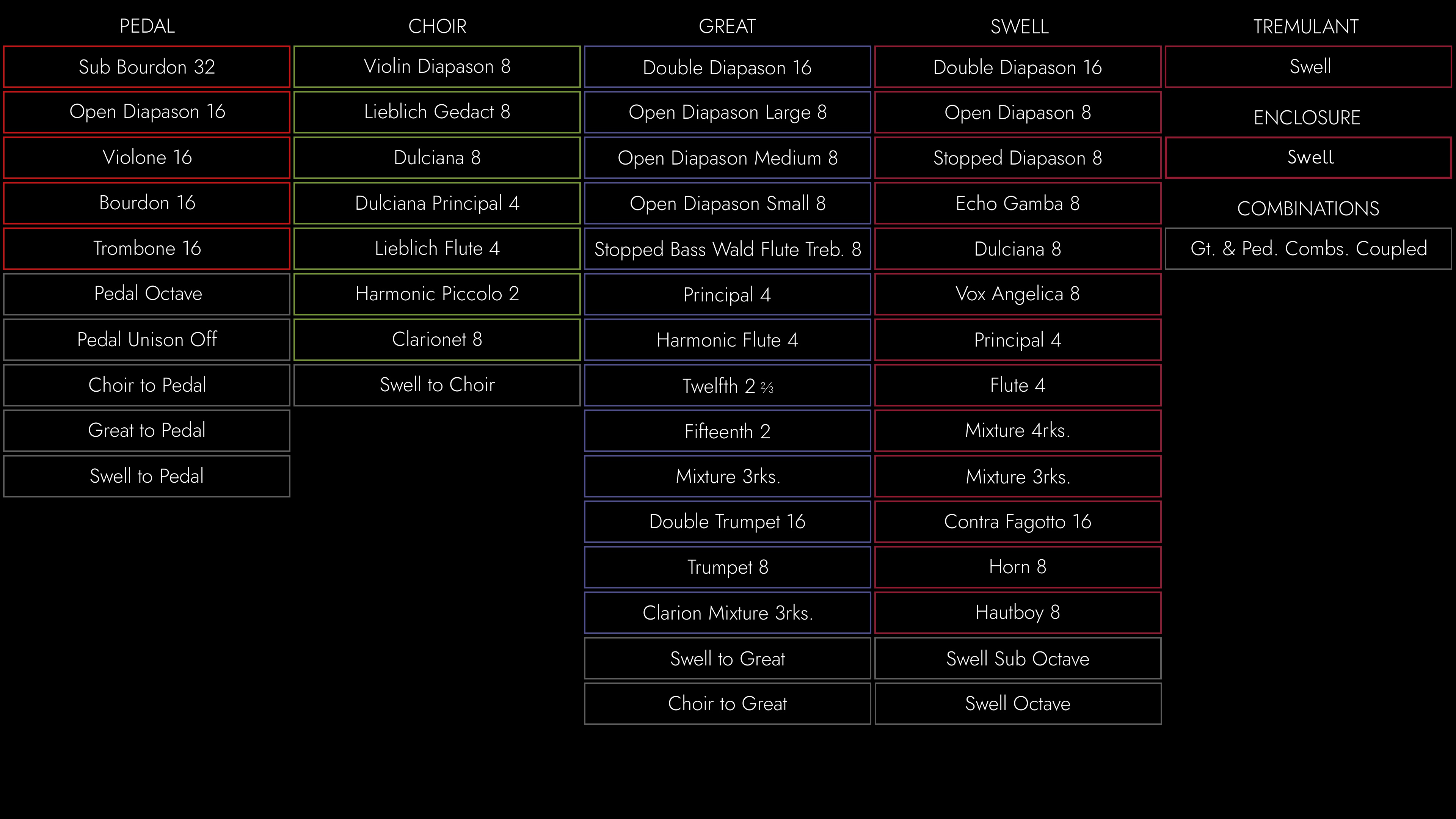
Virtual Console
Photos
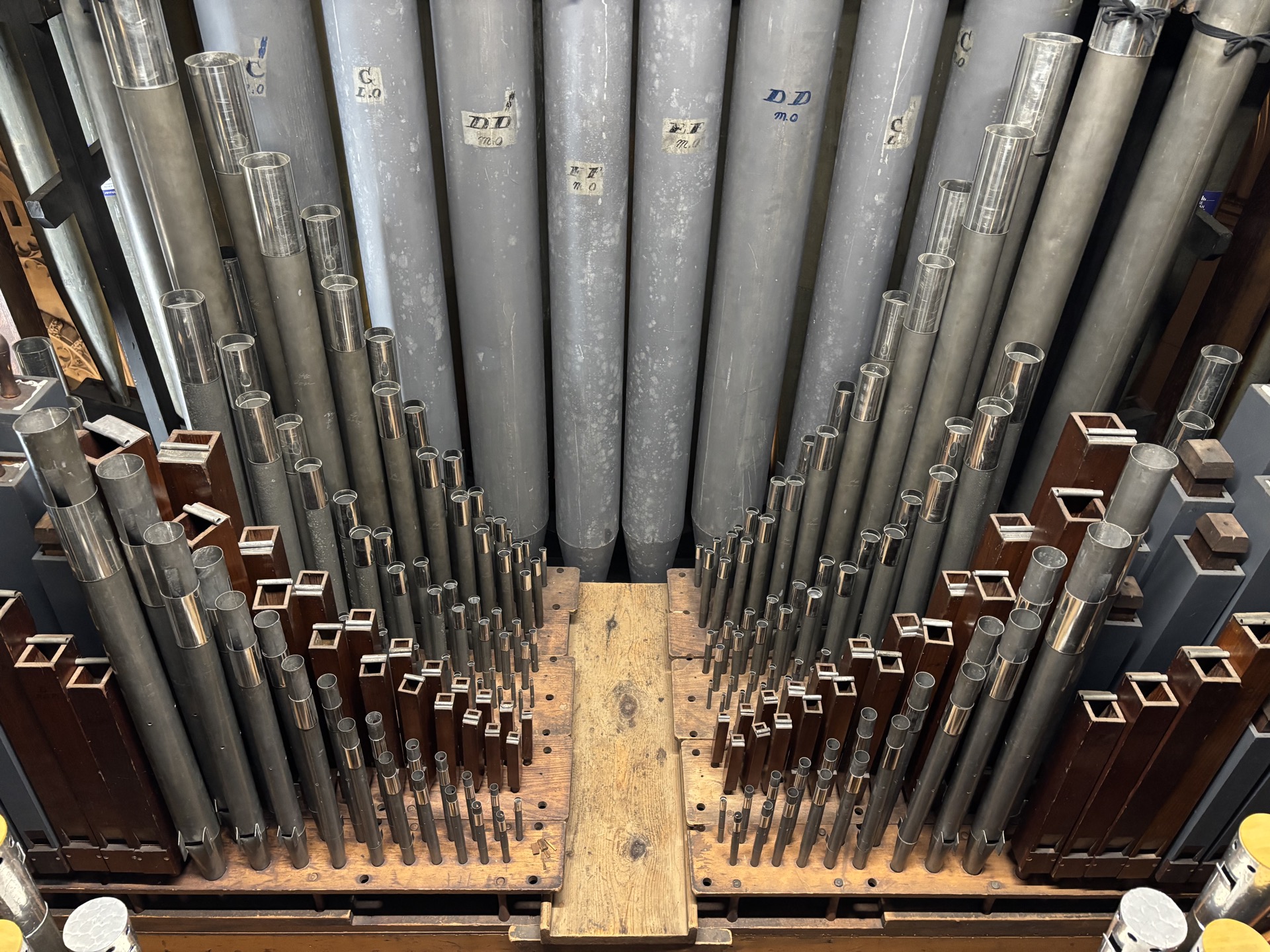
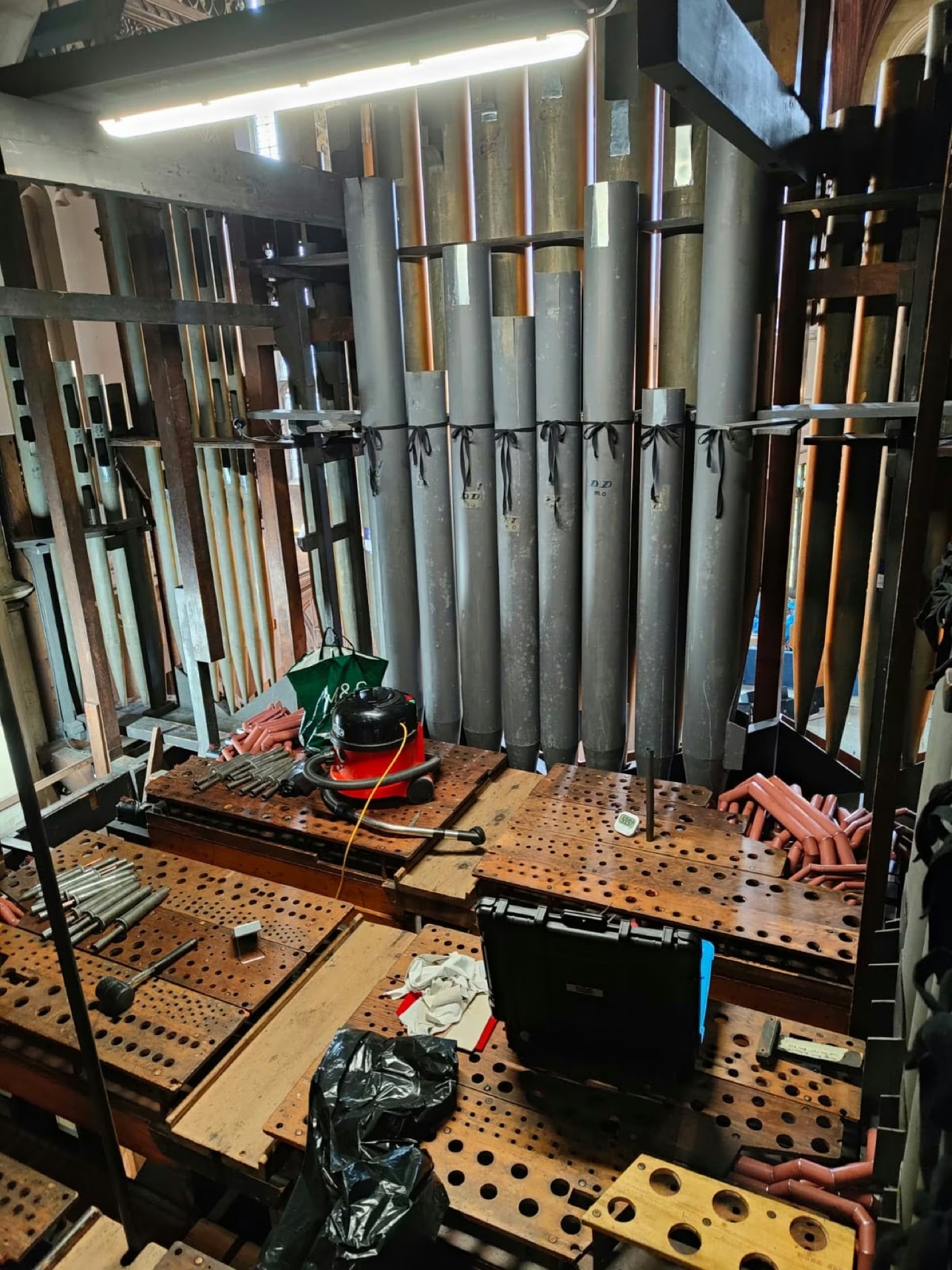
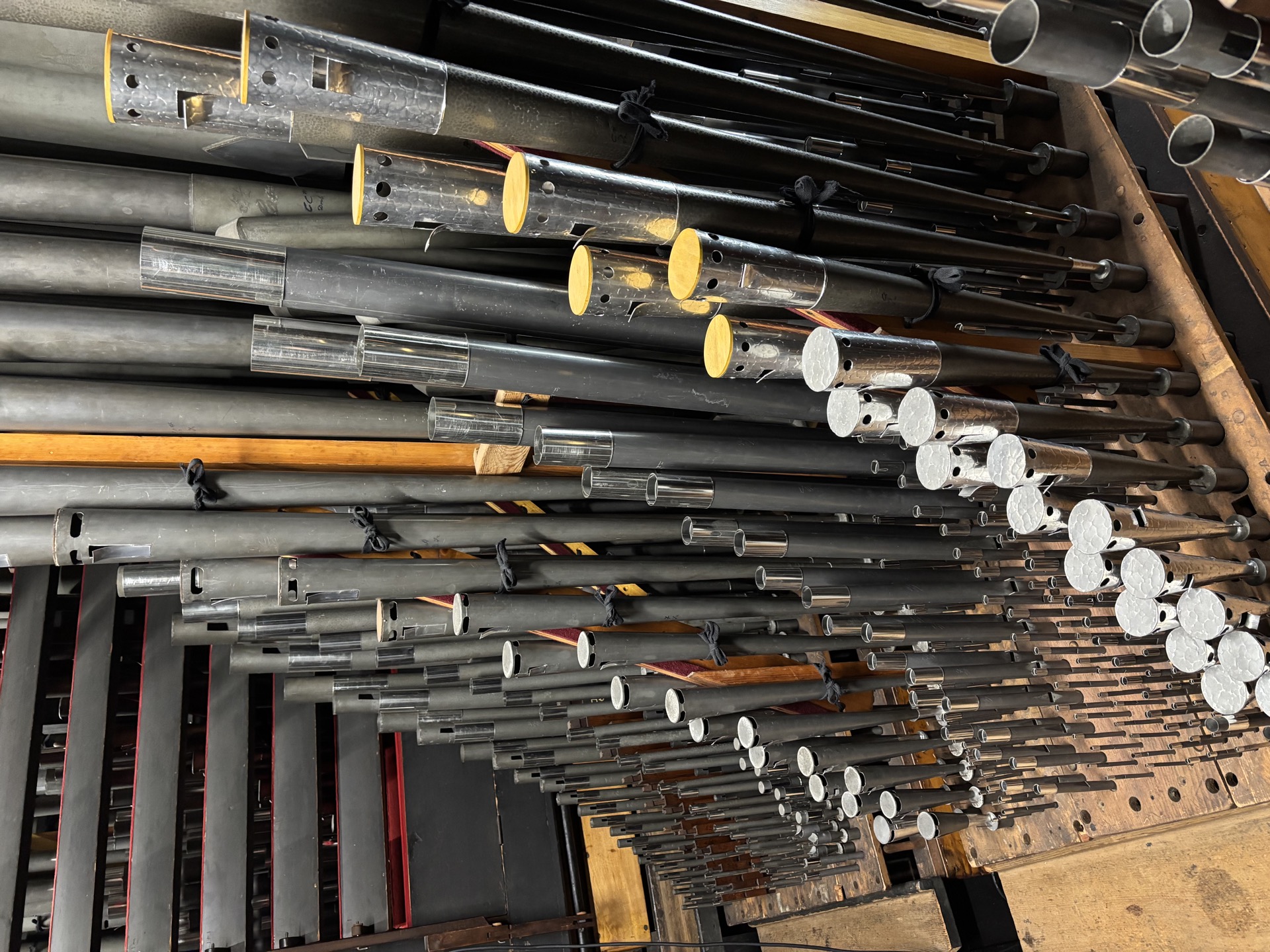
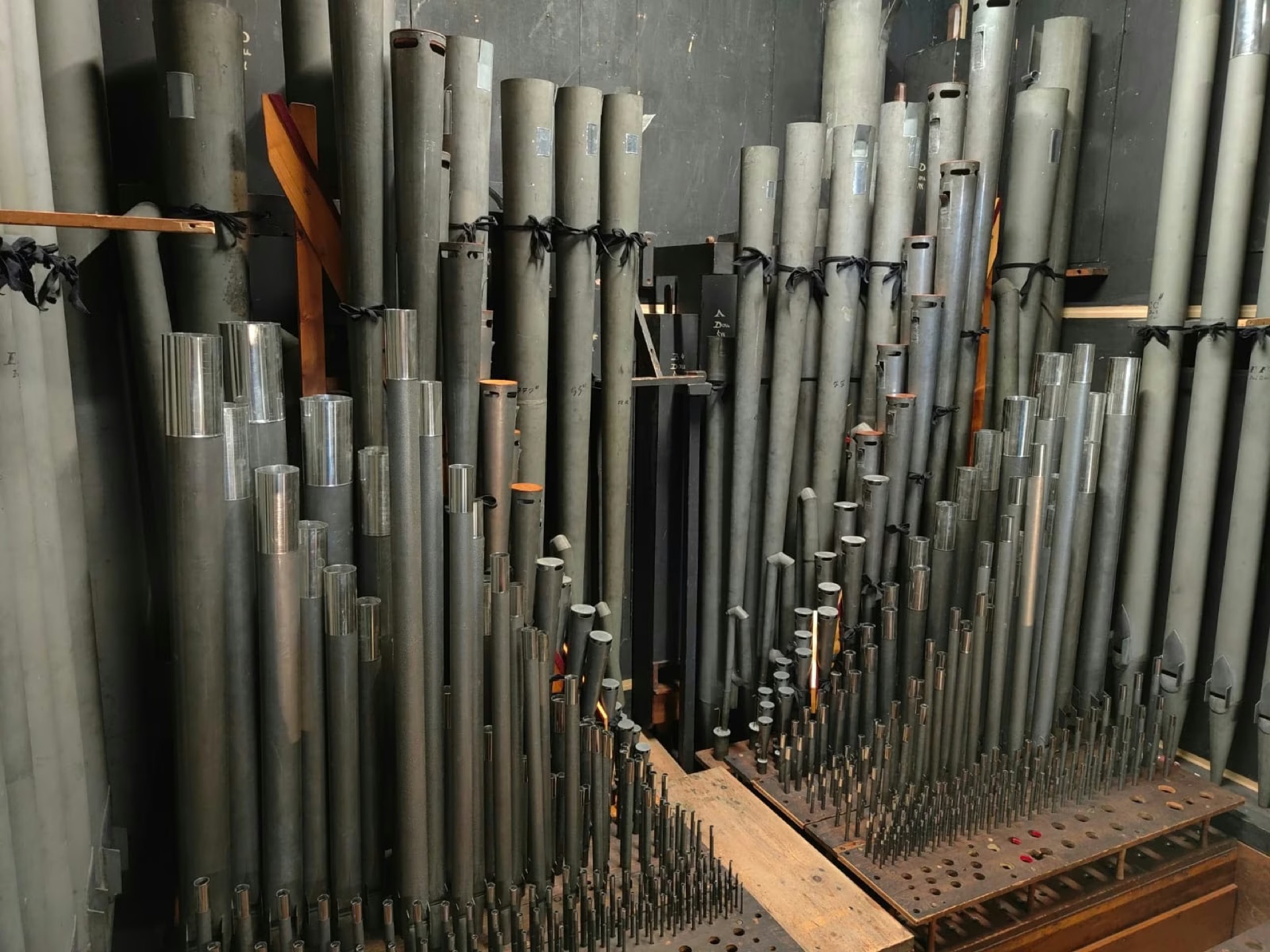
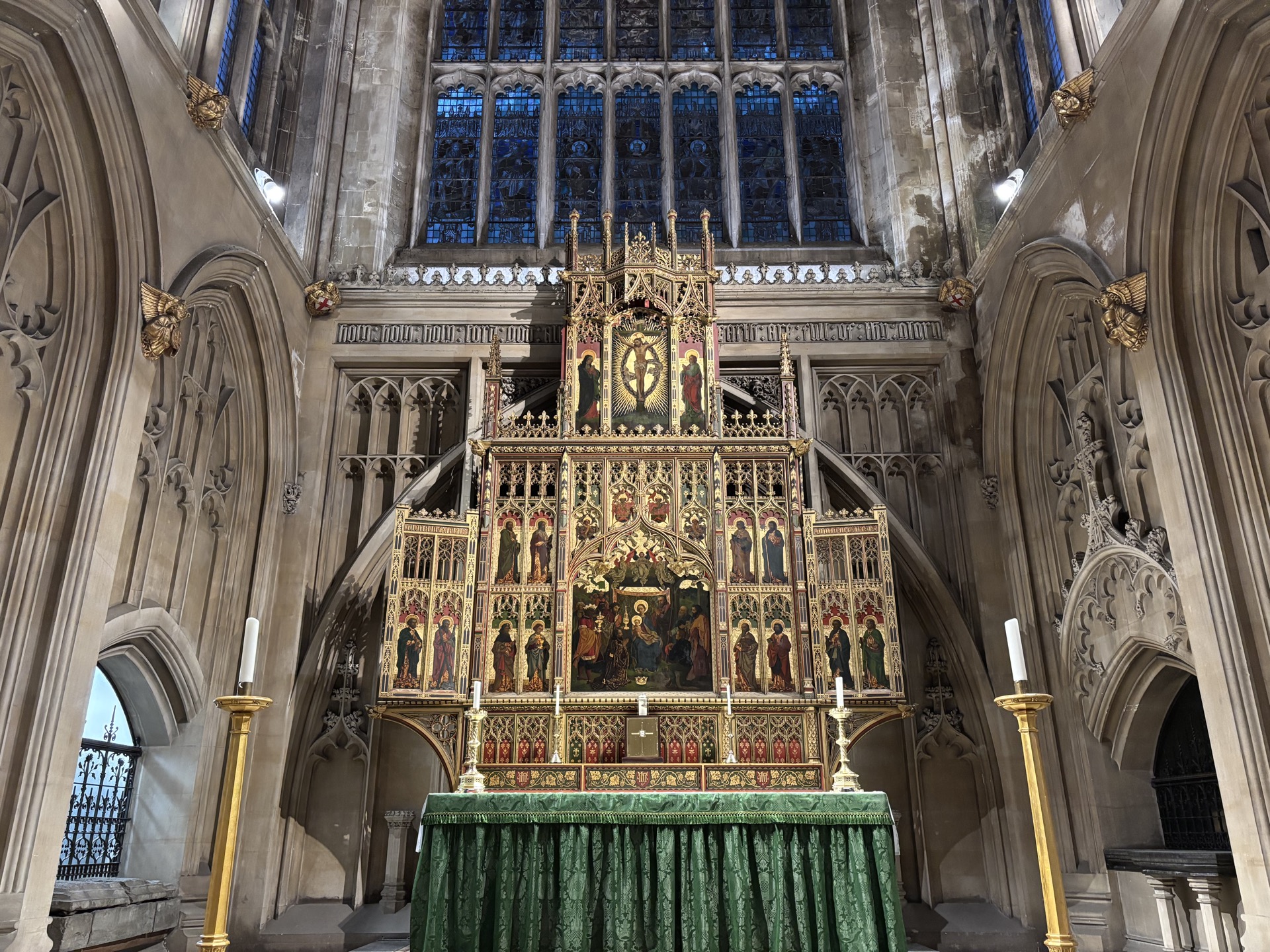
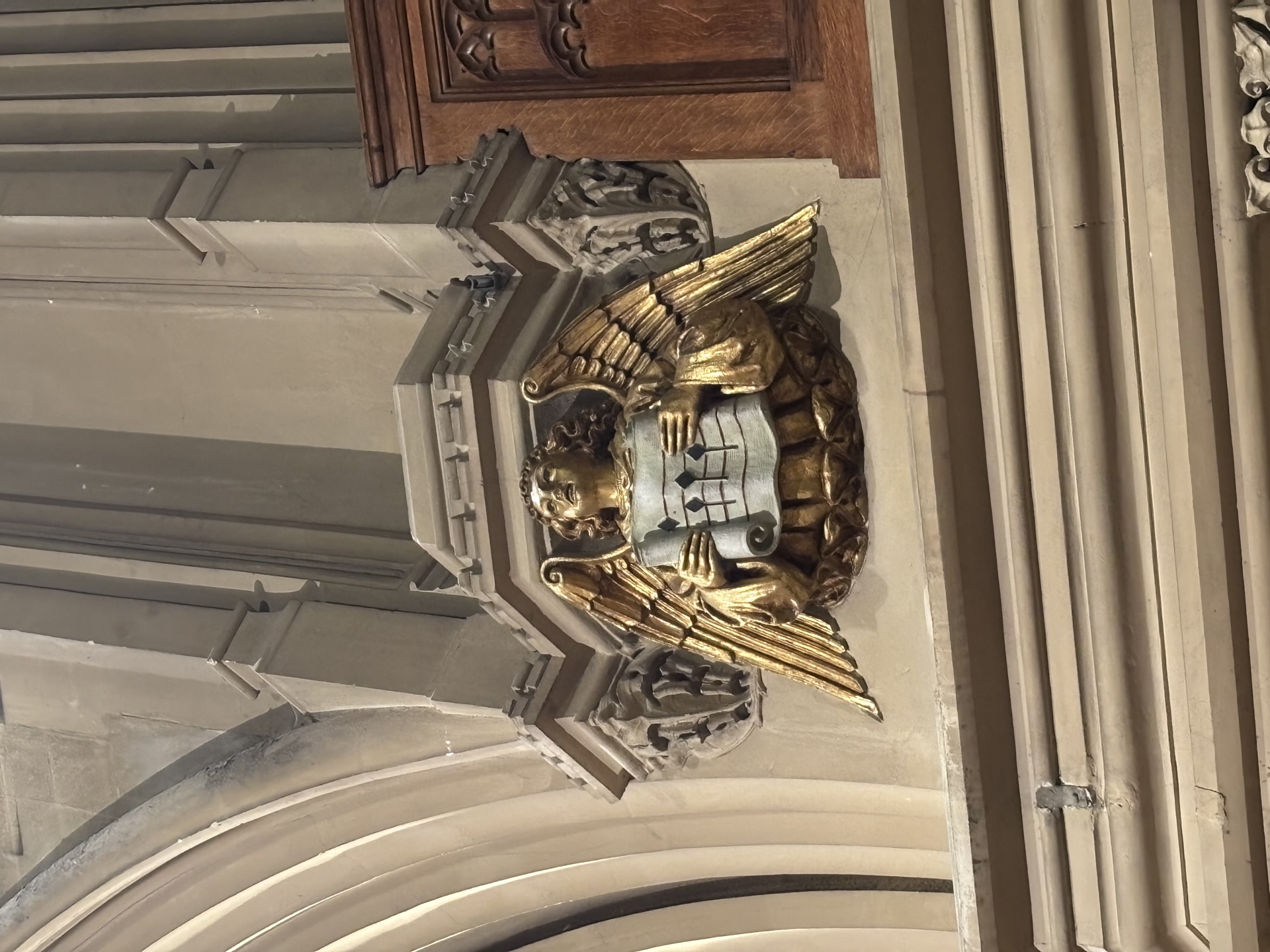
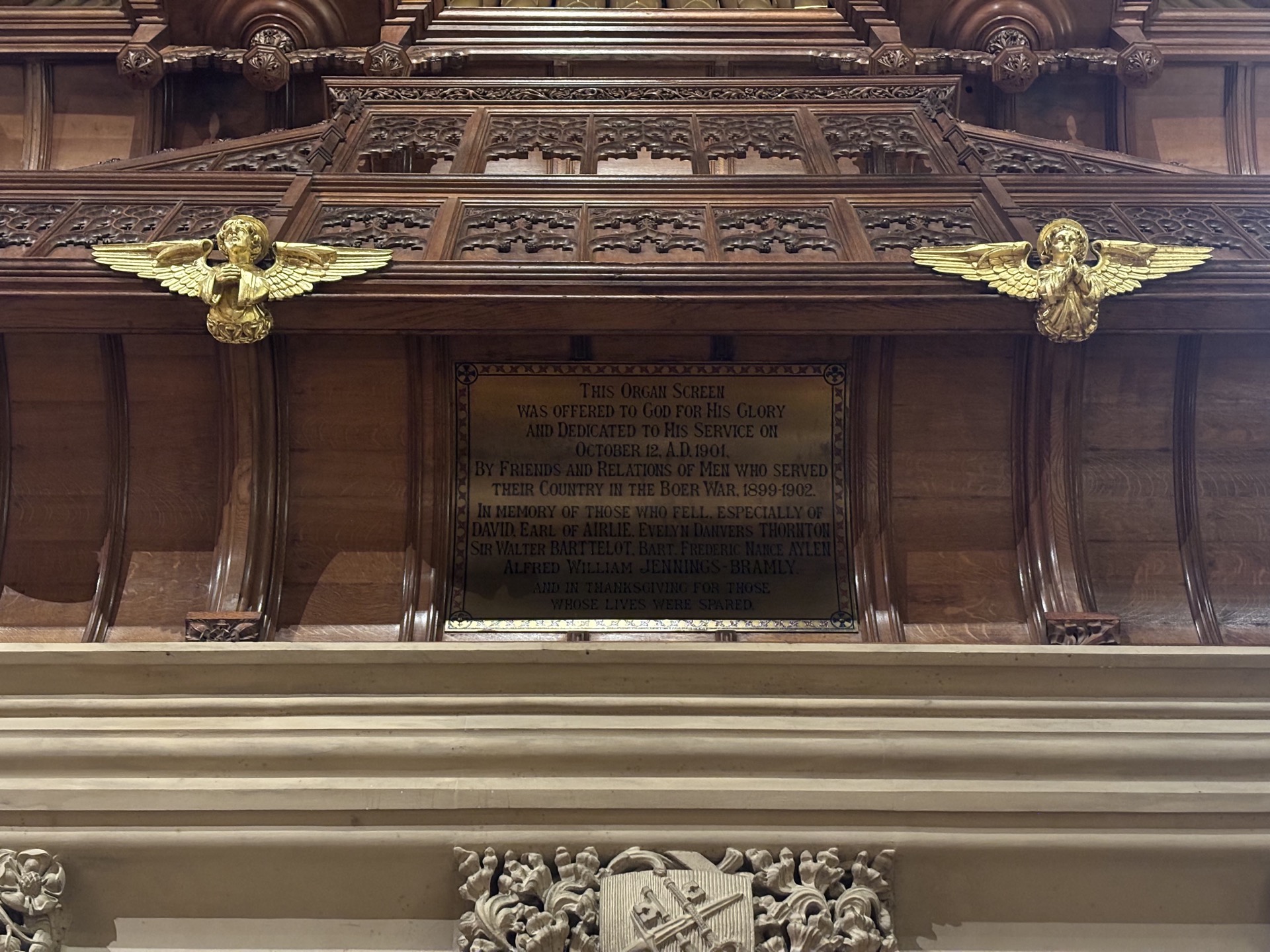
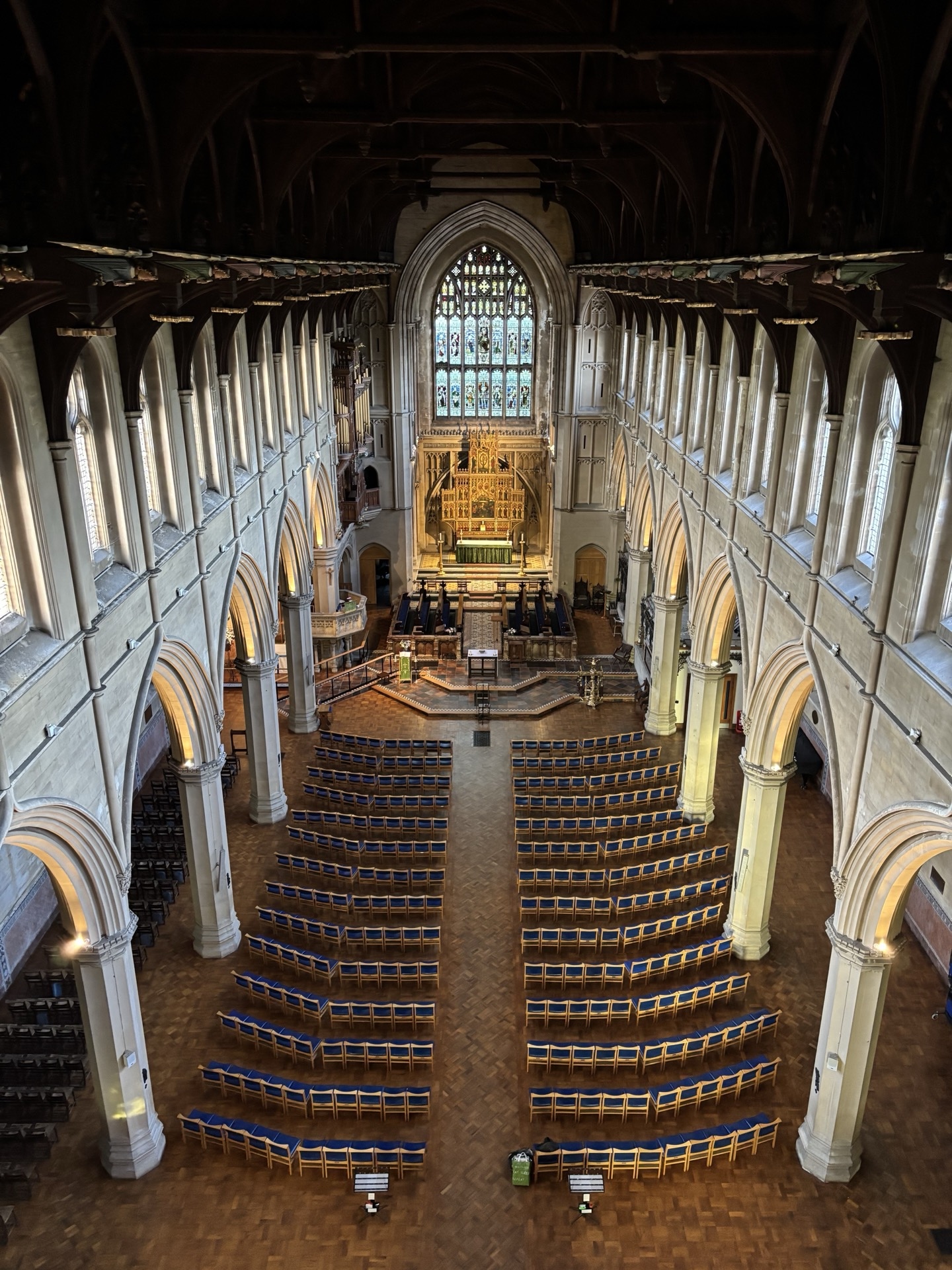
Specification
Choir
- Violin Diapason 8
- Lieblich Gedact 8
- Dulciana 8
- Dulciana Principal 4
- Lieblich Flute 4
- Harmonic Piccolo 2
- Clarionet 8
- Swell to Choir
Great
- Double Diapason 16
- Open Diapason Large 8
- Open Diapason Medium 8
- Open Diapason Small 8
- Stopped Bass Wald Flute Treble 8
- Principal 4
- Harmonic Flute 4
- Twelfth 2⅔
- Fifteenth 2
- Mixture 3rks. 15.19.22
- Double Trumpet 16
- Trumpet 8
- Clarion Mixture 3rks. 22.26.29
- Choir to Great
- Swell to Great
Swell
- Double Diapason 16
- Open Diapason 8
- Stopped Diapason 8
- Echo Gamba 8
- Dulciana 8
- Vox Angelica 8 (T.C.)
- Principal 4
- Flute 4
- Mixture 4rks. 15.19.22.26
- Mixture 3rks. 22.26.29
- Contra Fagotto 16
- Horn 8
- Hautboy 8
- Tremulant
- Swell Octave
- Swell Suboctave
Pedal
- Sub Bourdon 32
- Open Diapason 16
- Violone 16
- Bourdon 16
- Trombone 16
- Choir to Pedal
- Great to Pedal
- Swell to Pedal
- Pedal Octave
- Pedal Unison Off
Choir
- Lieblich Gedact 8
- Swell to Choir
Great
- Open Diapason Medium 8
- Principal 4
- Fifteenth 2
- Choir to Great
- Swell to Great
Swell
- Open Diapason 8
- Dulciana 8
- Flute 4
- Mixture 4rks
- Horn 8
- Tremulant
- Swell Octave
- Swell Suboctave
Pedal
- Bourdon 16
- Choir to Pedal
- Great to Pedal
- Swell to Pedal
- Pedal Octave
- Pedal Unison Off
Listen
Fugue sur le thème du Carillon des Heures de la Cathédrale de Soissons by Maurice Duruflé — Performed by Julian Matthews
Purchase full sample set
£200
Once you place your order, a download link will be emailed to the email you entered under contact details.
OrderTry the demo
£0
Try a small selection of stops for free. Once you place your order, a download link will be emailed to the email you entered under contact details.
OrderVideo Demonstration